If the past couple of years have taught the used car market anything, it’s that electric vehicles rarely sit still. Prices have lurched up and down, demand has fluctuated, and dealers have struggled to predict which way the wind will blow next. But February delivered a clear message: buyers are back — and they’re snapping up used EVs at remarkable speed.
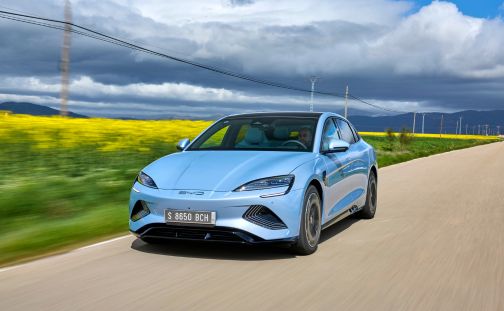
Fresh market data suggests that second-hand electric cars were among the quickest vehicles to leave dealer forecourts during the month, with more than half of the top ten fastest-selling used models powered purely by batteries.
Tesla leads the charge
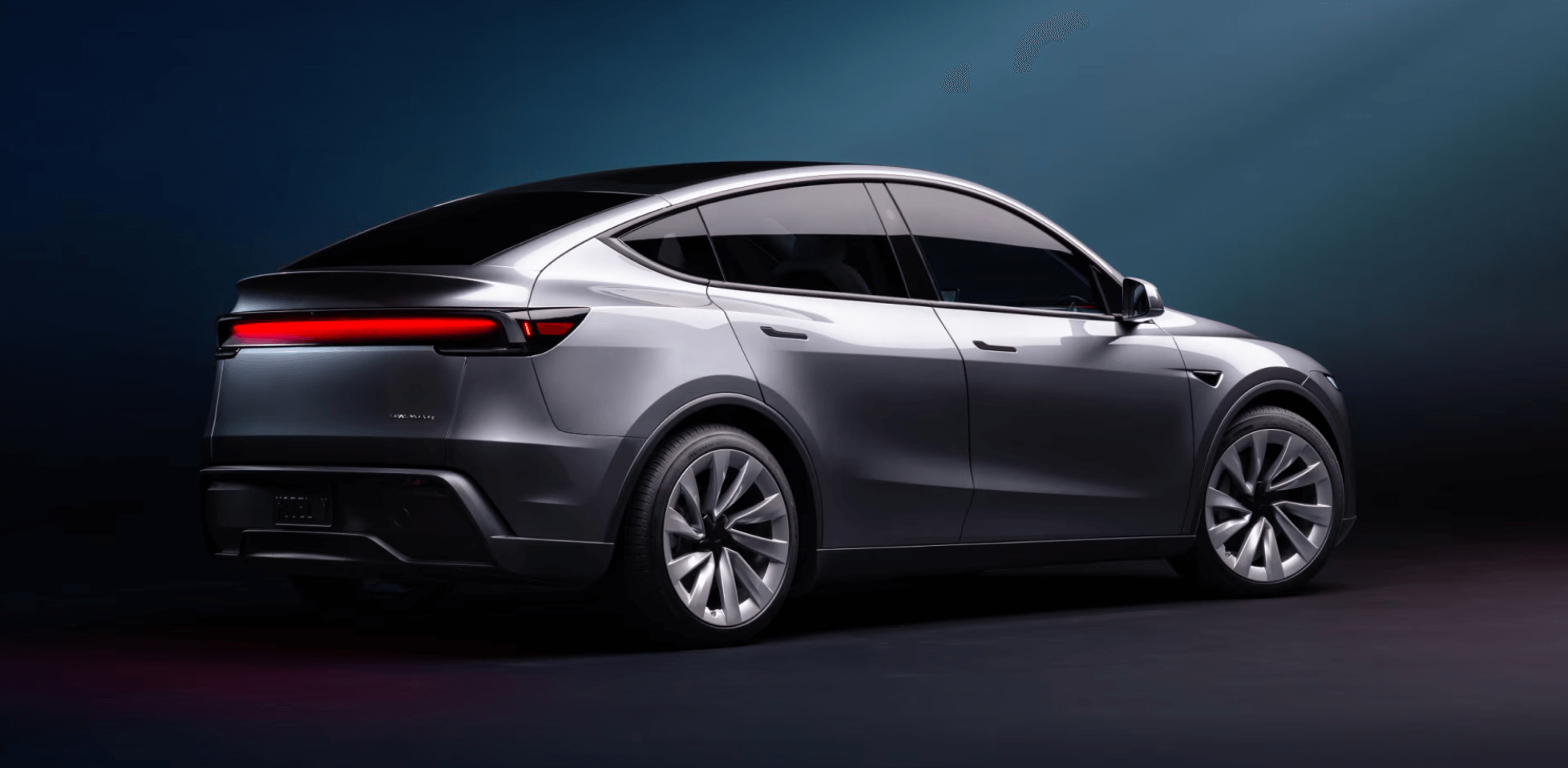
At the top of the leaderboard sat the Tesla Model Y, which took an average of just over two weeks to find a new owner. That’s sports-car-level turnover in used-car terms, and it highlights how aggressively priced EVs are tempting buyers back into the market.
The rest of the list reveals a similar pattern: a mix of electric and mainstream SUVs flying off the shelves almost as quickly. Models such as the Tesla Model 3, Mercedes-Benz EQA, Jaguar I-Pace and Audi e-tron all made appearances among the fastest movers.
For dealers, that’s encouraging news. Electric cars may have endured a bruising period of falling values and uncertain demand, but when priced competitively, they are clearly capable of shifting just as quickly as traditional petrol or diesel models.
Used cars selling faster overall
It wasn’t only EVs enjoying brisk business. Across the entire used car market, vehicles spent less time lingering in dealer stock during February.
On average, cars sold in roughly 29 days — four days quicker than the previous month — suggesting that demand strengthened as the year gathered pace.
Franchised dealers were the quickest to turn stock around, selling cars in about 22 days on average. Car supermarkets were close behind, while independent retailers experienced slower turnover but still benefitted from the improving market.
Interestingly, overall dealer inventory shrank slightly, falling to around 51 cars per retailer during the month. Lower stock levels often help accelerate sales, particularly when buyers feel they need to move quickly to secure a good deal.
Why buyers are suddenly interested again
So what’s changed? The biggest factor appears to be price.
After a turbulent period of depreciation, many used EVs now look like genuine bargains compared with both their original list prices and equivalent new electric models. That affordability shift is encouraging drivers who were previously curious about EV ownership to finally take the plunge.
Another influence is supply. Cars registered during the pandemic years are relatively scarce, meaning buyers are expanding their search criteria to include older vehicles — including electric ones that are now entering a much more attractive price bracket.
That widening search pattern is also pushing attention towards cars aged five to ten years, which attracted more than a third of all online views on some dealer marketplaces during February.
Prices remain surprisingly steady
Despite the surge in interest, prices themselves haven’t dramatically shifted. The typical used car sold for about £17,700 in February — only slightly lower than the month before and modestly higher than the same period last year.
Older vehicles actually experienced some of the strongest price growth. Cars aged between five and ten years saw noticeable increases, while vehicles more than a decade old climbed even further as buyers prioritised affordability.
Nearly new cars, meanwhile, were the only group to experience a year-on-year decline, reflecting the pressure on values for the newest used vehicles.
What it means for the EV market
For the electric car sector, February’s results hint at something the industry has been waiting for: stability.
The used EV market has been volatile, with values swinging wildly as supply surged and new-car prices were adjusted. But the latest figures suggest that the sector may finally be settling into a more predictable rhythm.
When prices align with buyer expectations, electric vehicles don’t just sell — they move quickly. And if the current momentum continues, dealers could soon find that the once-troublesome EV corner of the forecourt becomes one of the most profitable.
In other words, the used EV market might finally be entering its grown-up phase — where affordability, availability, and consumer curiosity combine to create genuine demand rather than speculative hype.