Nothing ages a new car faster than its maker unveiling the replacement before the showroom balloons have gone flat. Chery’s Tiggo 7 has barely settled into British life, yet a fourth-generation version is already striding onto the global stage with a cleaner cabin, more technology and an unmistakable desire to look expensive. The trick will be remembering why anybody noticed the Tiggo 7 in the first place: it is usefully cheap.
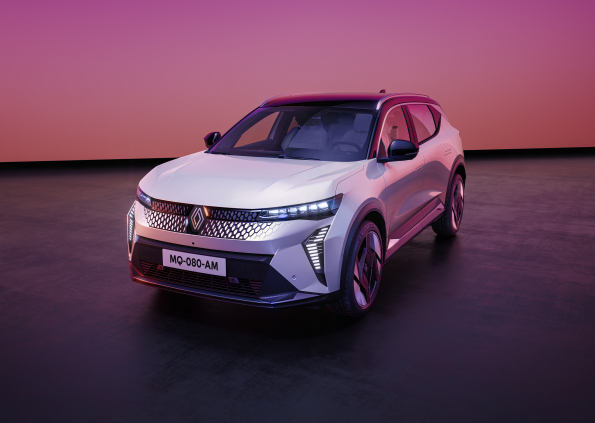
Chery’s international model page now labels this the fourth-generation Tiggo 7 and presents petrol, plug-in hybrid and full-hybrid versions. The shape remains recognisably family-SUV generic, which may sound unkind but is actually part of the strategy. Nobody needs a £25,000 crossover to frighten the neighbours. They need it to fit the family, avoid looking peculiar and make a rival costing thousands more seem faintly embarrassed.
The cabin is where the argument gets interesting
The new dashboard adopts the modern car industry’s favourite decorating tool: acreage of screen. Chery lists a 24.6-inch curved twin-display arrangement, heated and ventilated front seats and a 50W wireless phone charger. Those are pleasing things to have, but they are no longer exotic. Big displays have become the automotive equivalent of granite-effect kitchen worktops: impressive in the brochure, everywhere once you start looking.
What matters is how calmly the equipment works. A family SUV wins affection through clear menus, sensible shortcuts and air-conditioning controls that do not demand a roadside software tutorial. Chery has at least resisted the pure blank-slab school of interior design. The official imagery shows a cabin with physical controls beneath the central display, and that is the sort of small mercy that becomes a major advantage on a wet Tuesday morning.
The risk is chasing luxury by adding theatre rather than quality. Ambient lighting and shiny trim can make a strong first impression, but they cannot disguise loose software, scratchy touchpoints or fussy ergonomics forever. Chery’s real opportunity is to deliver the basics with confidence. If the switches feel deliberate and the technology behaves itself, buyers will supply the word premium without the marketing department having to shout it.
Hybrid choice matters more than another light strip
Globally, Chery describes a broader powertrain spread covering petrol, plug-in hybrid and conventional hybrid. The plug-in version uses an 18.3kWh battery and the international specification quotes 90km of electric range under the WLTC test cycle. It also lists 40kW DC charging, with 30 to 80 per cent taking 20 minutes, plus 3.3kW vehicle-to-load output for powering external kit.
Those figures are for the global model and Chery warns that regional specifications vary, so they should not be treated as confirmed British numbers. The current UK Tiggo 7 Super Hybrid uses an 18.4kWh battery, carries a 56-mile WLTP electric-range claim and starts at £29,995. The petrol car begins at £24,995. Prices and timing for the newly revealed generation have not been confirmed for Britain.
That uncertainty matters because Chery’s sharpest weapon is not a massage programme or a dramatic welcome animation. It is the gap between its price and the established competition. Push the replacement too far upmarket and the sums become less cheeky. At £25,000, a few rough edges can feel like character. At a much higher figure, buyers start asking why the badge, dealer network and residual-value story should not carry more weight.
Fast renewal can cut both ways
A rapid model cycle shows ambition, but it can also make recent customers feel as though they bought the final phone just before the new connector arrived. Chery therefore needs a tidy transition: clear UK timing, honest model-year identification and support for the cars already on driveways. The brand has been building credibility here through a seven-year or 100,000-mile warranty; protecting owners from instant obsolescence belongs to the same job.
There is plenty to like in the new Tiggo 7’s direction. The cabin looks more coherent, the hybrid choices are broader and the useful technology has not been buried beneath pure concept-car nonsense. Yet the decisive specification will never fit into a touchscreen menu. It is the price.
Chery should let rivals fight over who can make a family SUV feel most like an airport lounge. The Tiggo 7 can win by being comfortable, understandable and almost suspiciously good value. Luxury is welcome, but only if it arrives as a free passenger rather than stealing the cheap seat.
Sources
- Auto Express: All-new Chery Tiggo 7 reveal
- Chery International: fourth-generation Tiggo 7
- Chery UK: Tiggo 7
- Chery UK: Tiggo 7 Super Hybrid

We are experienced automotive journalists and editors, with a passion for all things automotive. Whether it’s automotive news and reviews, the latest in EV technology, or just an unusual take on the latest models, we’re all over it!