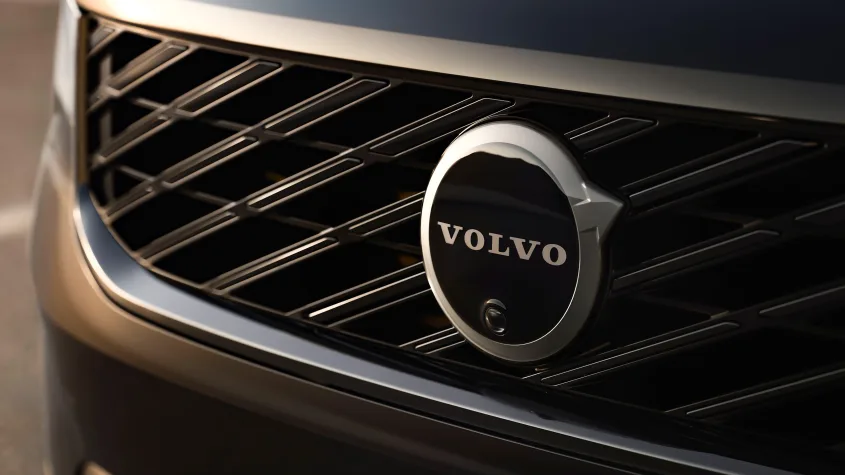
Thirteen new Volvos sounds like a marvellous excuse to build a bigger showroom. It also sounds like an excellent way to bury the car you actually want beneath a mountain of model names. The interesting question is whether this burst of ambition will give buyers more useful choices, or simply more choices.
Volvo has announced a global programme of 13 new cars by the end of 2030. Seven are being developed for Western markets and six specifically for China. So put away the mental picture of 13 shiny newcomers lined up outside your local British dealer. This is a regional strategy, with different answers for different customers.
That distinction deserves a little applause. Designing one range and insisting that everyone love it is a wonderfully convenient idea for a boardroom. For the person trying to buy a car that fits their life, flexibility is rather more attractive.
A charging cable, with room for compromise
The Western programme includes fully electric cars and third-generation hybrids. That makes this a plan worth watching even if your enthusiasm for an EV currently ends at the edge of your driveway.
There is nothing especially glamorous about admitting that buyers have different circumstances. It is, however, better than treating every hesitant customer as someone who merely needs another lecture. An electric car should win people over through the strength of the product and the convenience of using it.
This flexibility has been developing for a while. In September 2024, Volvo replaced its ambition for an entirely electric line-up by 2030 with a target for 90–100 per cent of global sales to be electric cars or plug-in hybrids. It left room for a small proportion of mild hybrids. That was an adjustment to the route, while the company retained its longer-term electric ambition.
The new product programme now puts future hybrids alongside EVs. For me, the useful test is whether those hybrids make electric driving easy enough to become the default, rather than an activity owners remember occasionally.
This week’s updated XC60 and XC90 plug-in hybrids offer a glimpse of Volvo’s approach: larger batteries integrated into the floor and stronger electric motors, with petrol engines available when needed. The engineering matters because a plug-in hybrid ought to earn the inconvenience of carrying two propulsion systems. A cable that spends its life in the boot is a fairly unconvincing accessory.
The accountant has a seat at the drawing board
There is a hard commercial edge to all this. Volvo says its Western cars will draw on existing investment in its SPA2 and SPA3 architectures. The Chinese programme will involve shared platforms, a dedicated software stack and common parts and supply arrangements with Geely.
Under its wider strategy, Volvo wants full parts commonality to rise from roughly 10 per cent today to around 30 per cent by 2030. It estimates that could generate about five per cent in material cost savings. These are ambitions, rather than money already banked.
Parts sharing itself doesn’t trouble me. If two cars use the same invisible bracket, few owners will feel their purchase has lost its soul. The awkward question is where the saving lands. Does it help fund a better car at a sensible price, or does the buyer simply receive an impressive explanation of the manufacturer’s margins?
The badge still has to earn its premium. Clear controls, thoughtful storage and software that behaves itself would make a much more persuasive sales pitch than a fascinating diagram of the supply chain. Those are my priorities for the coming cars, rather than features Volvo has confirmed across the programme.
Make the choice easier, too
Volvo also promises clearer pricing, simpler offers and versions intended for quicker delivery. Good. Choosing a car should feel enjoyable, rather than like applying for a professional qualification in trim levels.
There are still substantial gaps. The product announcement doesn’t name all seven Western models, supply a British launch calendar or set out their prices. Its promise to enter new segments is tantalising, but enthusiasts shouldn’t turn that into a confirmed shopping list.
My verdict is cautiously enthusiastic. Regional thinking, different powertrain options and less friction when buying are sensible ingredients. Now Volvo needs to make the individual cars compelling. Seven genuinely desirable answers for our part of the world would impress me far more than thirteen reasons to print a thicker brochure.
Sources
- Auto Express: Volvo announces a 13-model programme
- Volvo Cars: regionally tailored product programme, 17 September 2026
- Volvo Cars: profitability and investment roadmap, 17 September 2026
- Volvo Cars: updated XC60 and XC90 plug-in hybrids, 15 September 2026
- Volvo Cars: revised electrification ambitions, 4 September 2024

We are experienced automotive journalists and editors, with a passion for all things automotive. Whether it’s automotive news and reviews, the latest in EV technology, or just an unusual take on the latest models, we’re all over it!