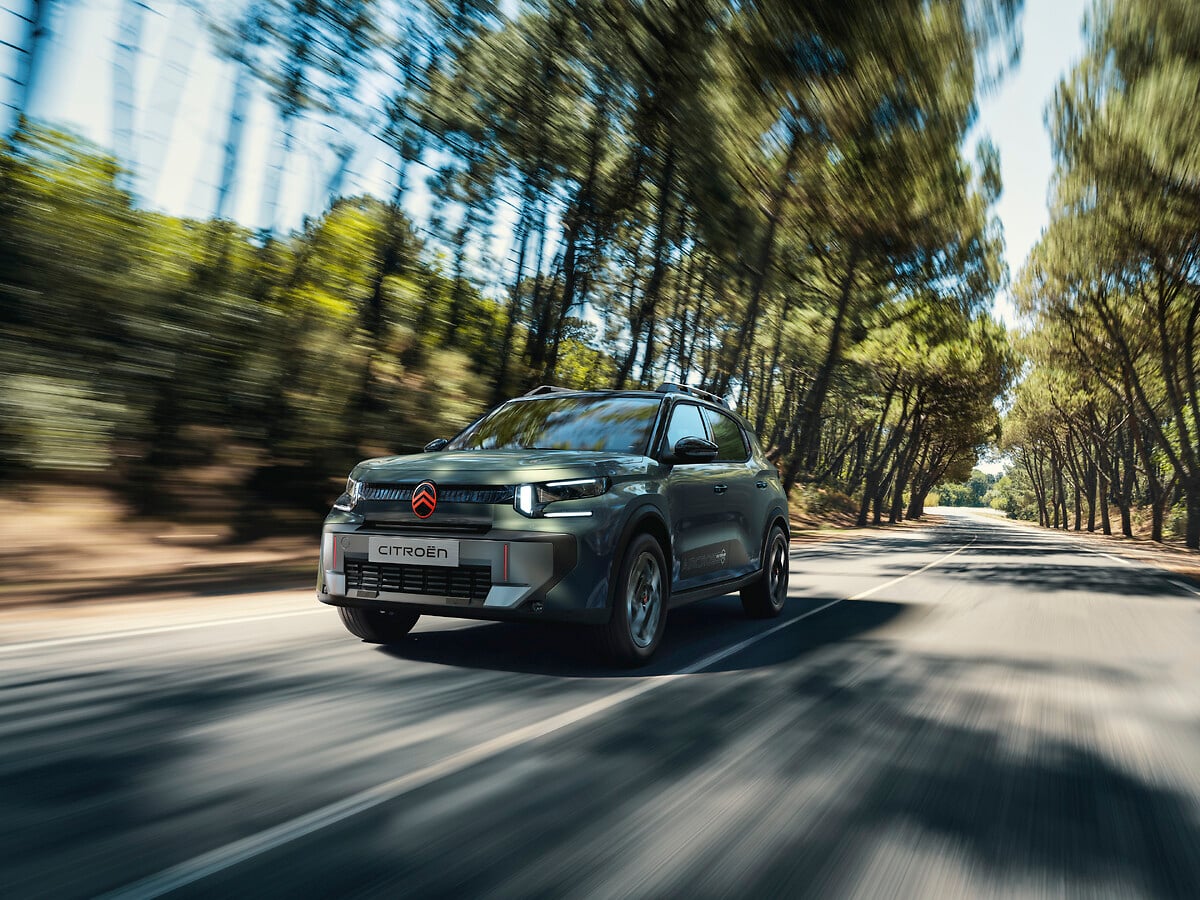
When an off-roader arrives with artificial intelligence, a plug-in hybrid system and the sort of square-jawed stance normally reserved for action figures, subtlety has clearly missed the bus. Geely’s Project KO11 is coming to Europe at the end of 2027, and it wants to make today’s rugged SUVs look as technologically advanced as a garden gate.
That is exciting, but also faintly ridiculous. Proper off-roading rewards clear controls, predictable mechanical responses and the confidence that mud will not trigger a software update. Geely thinks code can make the difficult bits easier. Project KO11 will therefore be a fascinating test of whether intelligent hardware can broaden the appeal of a serious 4×4 without turning the driver into a passenger with hiking boots.
A name will arrive after the swagger
The European reveal at the 2026 Paris Motor Show was deliberately theatrical. Geely Auto Europe presented KO11 as its final surprise, confirming an advanced plug-in hybrid powertrain, sophisticated suspension and intelligent all-terrain driving modes. The company calls it extremely powerful and fast, which is a wonderfully vague way of telling rivals to worry while keeping the numbers in a locked drawer.
KO11 is only a project code. Its European production name, detailed specifications, prices and individual market plans remain unconfirmed. Auto Express identifies the vehicle with the Galaxy Battleship 700 sold in China, but Geely’s official European announcement stops short of promising that name here. Sensible. “Battleship” has magnificent toy-shop energy, yet it might be a difficult badge to explain outside Waitrose.
The important commitment is timing: Geely plans to make the SUV available in Europe at the end of 2027. Whether Britain receives it at the same moment still needs a proper announcement. Until then, any UK price or final specification would be guesswork wearing a press lanyard.
The Chinese version is a technical fever dream
Geely’s Chinese-market Zhanjian 700 shows the scale of the engineering behind this project, although European figures are not yet confirmed. It is the first production model on the company’s GTA architecture, which combines unibody construction with an integrated frame. The idea is to gain the strength expected of a serious off-roader without accepting every penalty of a separate ladder chassis.
That approach makes more sense than simply fitting enormous wheels and photographing the result beside a mountain. Geely says the structure lowers the centre of gravity, saves unnecessary weight and improves cabin packaging. Those are useful goals on the school run as well as a rocky trail. A rugged SUV spends most of its life dealing with potholes, car parks and spilled snacks; pretending otherwise is how the segment became a costume party.
Then the specification wanders into science fiction. The Chinese model’s EM-T hybrid system can deliver up to 1,129PS, while its AI all-terrain system reads conditions and adjusts power, torque and body control. There is an intelligent climbing mode, differential locking and a three-motor four-wheel-drive arrangement. Geely has even developed emergency flotation assistance using sonar and propulsors, plus satellite communications and an onboard oxygen system for high-altitude travel.
Do most owners need a car that can help float, call a satellite and administer oxygen? Of course not. Most will ask it to survive a damp verge outside a farm shop. Yet the excess reveals Geely’s intention: this is not a tentative entry into the off-road class. It is a rolling demonstration that the company can throw architecture, electrification and software at the toughest scenarios it can imagine.
AI must assist rather than interfere
The cleverest feature may be the least dramatic. Geely says its digital chassis can coordinate power distribution, torque and body movements for different surfaces. Done well, that could help an inexperienced driver maintain traction without demanding a degree in transfer cases. Done badly, it risks placing an invisible committee between the accelerator and the ground.
That is the question KO11 must answer when it reaches Europe. Technology should make a heavy, powerful machine feel calmer and more trustworthy, not merely furnish another enormous screen with animated terrain graphics. Buyers will also want evidence of durability, sensible servicing and controls that still make sense when gloves, rain and darkness join the trip.
Geely has earned our attention, not our surrender
Project KO11 looks bold enough to get noticed and strange enough to be memorable. More importantly, the integrated-frame idea suggests engineering ambition beneath the squared-off theatre. Europe does not need another SUV that merely resembles an expedition vehicle; it could use one that rethinks how electrification works beyond tarmac.
The final verdict must wait for the name, European specification and price. For now, Geely has built an off-roader with the confidence of a battleship and the brain of a supercomputer. The difficult part will be convincing us it also knows when to switch both off and simply climb the hill.
Sources
- Auto Express: Geely Project KO11 report, 12 October 2026
- Geely Auto UK: Project KO11 European reveal
- Geely Auto Group: Zhanjian 700 Chinese-market launch
- Geely Auto Group: AI-powered off-road technology

We are experienced automotive journalists and editors, with a passion for all things automotive. Whether it’s automotive news and reviews, the latest in EV technology, or just an unusual take on the latest models, we’re all over it!