Electric-car charging has entered the part of the arms race where the numbers sound like industrial equipment. Geely’s new station claims a peak output of 2,250kW. That is 2.25 megawatts, enough to make today’s 150kW motorway charger look as though it is passing electricity through a drinking straw.
The headline is spectacular, but the genuinely useful idea sits behind it. Geely Smart Charging uses an AI energy model to decide how hard the battery should be pushed, adjusting current, cooling and duration as conditions change. The future of rapid charging may depend as much on knowing when to ease off as knowing how to deliver a huge electrical punch.
Four and a half minutes changes the conversation
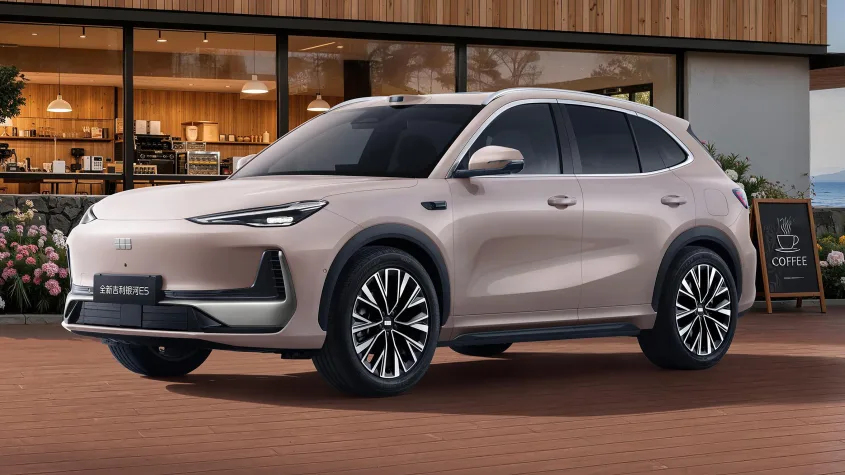
Geely says its fifth-generation charging station works with a new 12C battery and has demonstrated a 10-to-70 per cent charge in four minutes 30 seconds using a Lynk & Co 10 and Zeekr 001. Reaching 97 per cent took eight minutes 40 seconds. Those are production-ready results according to the company, although its English announcement does not disclose the actual peak power accepted by either car during the tests.
That distinction matters. A charger’s maximum rating and a car’s charging curve are different things. The station may have an enormous ceiling, but the useful measure is how much energy enters the battery across the whole session. Drivers do not buy kilowatts. They buy the ability to leave before the coffee has cooled.
Even with that caution, the times are startling. A sub-five-minute useful top-up would move charging closer to a petrol-station stop, particularly for drivers without home charging. It also turns the queue into the bottleneck. A car that charges in four minutes is less impressive when the only compatible dispenser has six vehicles waiting for it.
The AI has a practical job
Geely calls its energy model Xingrui PowerMind. It coordinates the car, battery, station, cloud services, grid and on-site energy storage. More interestingly, it predicts battery temperature up to 30 seconds ahead and adjusts charging power before heat becomes a problem. Geely aims to keep average charging temperature below 55 degrees Celsius and the peak below 65.
There is serious plumbing involved. Liquid cooling runs through five parts of the chain: the station’s storage battery, charging unit, cable, vehicle port and battery pack. That explains why megawatt charging is more than fitting a thicker wire and turning the dial clockwise. At this power, heat management is the product.
The system also tailors the session to the individual vehicle and battery, changing peak current and cooling intensity in real time. That is a welcome correction to the industry’s obsession with a single maximum figure. A battery on its thousandth cycle in winter should not be treated like a fresh pack on a mild test day.
Battery life is the harder promise
Owners reasonably worry that repeated ultra-fast charging may age a battery more quickly. Geely’s answer includes lithium-ion pulse restoration, which uses small current pulses to reactivate lithium ions that accumulate at the negative electrode. Combined with its charging management, the company claims this can extend cycle life by 20 per cent.
That claim will need years of independent evidence, because battery longevity cannot be proved by an impressive afternoon in Ningbo. It is nevertheless the right problem to tackle. A four-minute charge is a poor bargain if it makes an expensive battery noticeably older every time.
Geely has also developed a slower home-charging strategy intended to reduce degradation from repeated rapid sessions. There is a pleasing logic here: the public charger does the urgent work, then the wallbox handles the gentle rehabilitation overnight.
Britain needs plugs, not podium claims
Geely has announced formidable hardware, clever thermal control and promising test times. What it has not provided in the reviewed global release is a British rollout date, a compatible UK model list or a price for using the network. Until those arrive, 2.25MW remains an engineering achievement at a distance.
The technology still points in the right direction. Faster sessions can make each charger serve more cars, provided the grid connection, cooling system, vehicles and payment experience all keep up. That last detail matters. Nobody wants an eight-minute battery stop preceded by ten minutes fighting an app.
Geely can keep the record-sized number. The real prize is a charger that understands the battery, protects it and gets ordinary drivers moving again without ceremony. Megawatts attract headlines; dependable minutes will change minds.
Sources
- Auto Express: Geely Smart Charging report
- Geely Auto Group: Ultra-Fast AI-Powered Geely Smart Charging

We are experienced automotive journalists and editors, with a passion for all things automotive. Whether it’s automotive news and reviews, the latest in EV technology, or just an unusual take on the latest models, we’re all over it!