The restomod business has discovered a magical formula: find a car people already adore, replace half of it with carbon fibre, promise impossible craftsmanship and wait for collectors to rearrange their garages. The danger is obvious. Improve an icon too enthusiastically and you can sand away the very reason anybody cared.
The JAS Tensei begins with a first-generation Honda NSX, which makes it particularly easy to get wrong. Honda’s original did not earn its reputation by shouting. It made exotic performance usable, balanced and intelligible. A modern remake covered in wings, screens and horsepower theatre would miss the joke entirely.
JAS Motorsport and Pininfarina appear to understand that. Tensei means rebirth in Japanese, and the finished design is recognisably descended from the 1990s car without dressing up for a nostalgia convention. Pininfarina has given it a complete carbon-fibre body, but the low glasshouse, cab-forward stance and wonderfully slim proportions still do the talking.
The old V6 gets sent to Rugby
Beneath the Italian tailoring is a donor NSX chassis with completely re-engineered underpinnings. The engine remains an NSX-derived naturally aspirated V6, rebuilt as a 3.5-litre unit by Judd Power in Rugby. Each one is checked, lightened, upgraded and tested on a dynamometer before returning to JAS in Milan for installation.
That decision matters more than a headline output figure. A turbocharged crate engine could deliver larger numbers with less fuss, while a hybrid system would make the brochure look terribly current. Keeping the naturally aspirated V6 preserves the crisp, mechanical character that makes an early NSX interesting in the first place. JAS also pairs it with a six-speed manual gearbox. No paddles, no artificial choice of eight exhaust moods, just the radical modern luxury of having to participate.
Judd’s brief explicitly includes reliability as well as power and torque delivery. That is pleasingly faithful to the original philosophy. The NSX changed expectations because it suggested an exotic car need not behave like a sulking race horse between services. A reborn version should not require a support van and a favourite technician on speed dial.
Pininfarina resists the tablet shop
The cabin is the quieter triumph. JAS says hundreds of colour and material combinations will be possible, yet the layout deliberately avoids unnecessary modern gimmicks. Integrated sports seats, sculpted metal details and a driver-centred structure replace the now compulsory cinema screen nailed to the dashboard.
Customisation can easily become a polite word for chaos. Give a wealthy buyer 400 choices and someone will order turquoise leather beside orange carbon weave, then call it personal expression. The underlying architecture at least looks restrained enough to survive the configurator. Pininfarina has drawn a cockpit rather than a technology showroom.
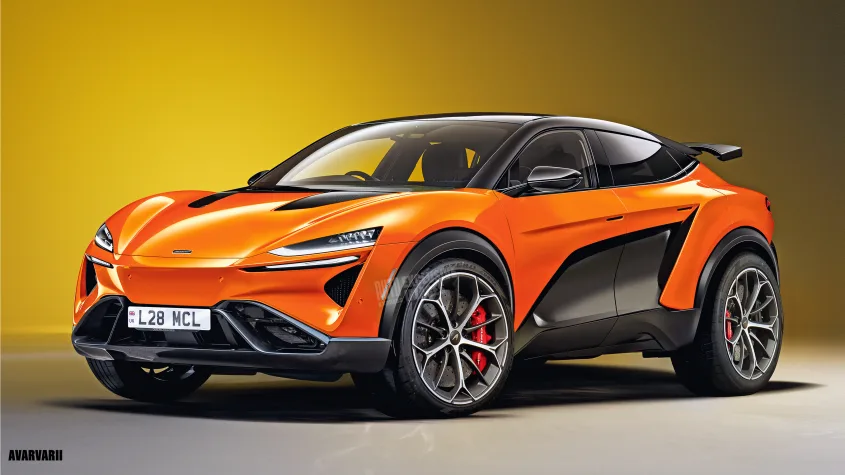
The outside takes the same approach. It does not photocopy the original, and nor should it. Carbon construction, modern cooling demands and reworked mechanicals require fresh surfaces. Yet the silhouette remains light and elegant at a time when many new supercars resemble furious cordless drills. You can recognise the NSX connection before anybody explains it, which is usually the mark of a respectful redesign.
Thirty-five cars could become thirty-five ornaments
Only 35 Tenseis will be built, with left- and right-hand-drive versions planned. JAS will assemble them at its atelier in Arluno, while Pininfarina handles the design and the long menu of personalisation. Unit 001 is due to appear at the Paris Motor Show from 12 to 18 October.
Exclusivity is the least interesting thing about it. A run of 35 virtually guarantees collector appeal, but it also raises the dreary prospect of immaculate cars moving between climate-controlled rooms without wearing out a set of tyres. JAS comes from racing, Judd builds engines to be exercised and the donor car was famous for making performance approachable. The Tensei deserves mileage, stone chips and a driver’s seat with creases.
It is also worth keeping the family tree straight. This is JAS Motorsport’s first road-going supercar, designed with Pininfarina and built from an early NSX platform. JAS has a long history as a Honda motorsport partner, but Tensei is not a new production Honda wearing a factory warranty and a reassuringly ordinary price tag.
That distance may be its greatest freedom. Honda could never put a tiny-volume carbon-bodied, manual, naturally aspirated homage through a mainstream product plan without committees nibbling it to death. JAS can. If all 35 owners remember that the NSX became legendary by being brilliant to use, rather than merely rare to own, this rebirth will have understood its ancestor perfectly.
Sources
- Auto Express: JAS Tensei production-design report
- JAS Motorsport: Definitive Tensei design
- JAS Motorsport: NSX project engineering announcement
- JAS Motorsport: Judd Power engine partnership
- JAS Motorsport: Tensei production and sales partners

We are experienced automotive journalists and editors, with a passion for all things automotive. Whether it’s automotive news and reviews, the latest in EV technology, or just an unusual take on the latest models, we’re all over it!